



How Kraaft is Revolutionizing Roadwork Subcontractor Workflows in 2025
Introduction
Construction workflows in 2025 are changing rapidly, and for good reason. The old methods of relying on paper reports, spreadsheets, and phone calls simply can’t keep up with the fast-paced demands of modern roadwork projects. For roadwork subcontractors, this means dealing with delays, miscommunication, and lost information, all of which can cost time, money, and resources.
That’s where Kraaft comes in. Designed specifically for subcontractors and SMBs in roadwork and utilities, Kraaft is a construction management tool that streamlines operations, improves communication, and eliminates bottlenecks. And at just $25/user/month, Kraaft is the perfect solution for roadwork subcontractors looking for a simple yet powerful tool.
In this blog, we’ll break down:
- The challenges of traditional workflows in roadwork
- How mobile apps like Kraaft solve these problems
- What you should look for in a field-ready construction app
- How Kraaft simplifies task tracking, daily reporting, and communication
The Problems with Traditional Roadwork Workflows
The roadwork industry is still too reliant on outdated processes, and here’s why that’s an issue:
1. Paper Reports: Slow, Inefficient, and Vulnerable to Mistakes
Paper forms are a huge bottleneck on roadwork sites. They can easily get lost or damaged, causing delays in receiving updates or making decisions. Additionally, when data is manually transferred back to the office, errors are common, especially with critical details such as site photos, progress reports, or safety logs.
The Result? Slowdowns in work due to waiting for paperwork, missed deadlines, and rework. Paper systems are simply too slow to keep up with the demands of modern roadwork projects.
Learn more about the importance of digital reporting in the field
2. Spreadsheets: A Tool That Was Never Meant for Roadwork
Spreadsheets like Excel are frequently used by subcontractors to track labor, materials, and equipment—but they are clunky, manual, and prone to errors. Spreadsheets often:
- Don’t work well on mobile devices, which are crucial in the field
- Lack real-time collaboration and photo attachment capabilities
- Require constant manual updates
- Break easily with formula errors, leading to inaccurate data
The problem with relying on spreadsheets is that they weren’t designed to manage the complexity and scale of roadwork projects.
3. Phone Calls: Poor Documentation and Missed Information
While phone calls are quick, they are not a sustainable solution for managing a large roadwork crew. Verbal communication:
- Leaves no documentation for future reference
- Often results in miscommunication, especially when juggling multiple contractors or subcontractors
- Lacks the ability to share photos, diagrams, or task assignments
Without proper documentation or the ability to share visuals, phone calls create inefficiencies and lack accountability.
4. Manual Workflows Lead to Costly Delays
Manual, paper-based workflows add up to real costs:
- Missed deadlines due to slow approvals or paperwork delivery
- Crews working with outdated plans, resulting in costly rework
- Admins spending unnecessary hours compiling daily reports
- Lost information causing confusion and delays
The bottom line: these workflows hurt productivity, delay projects, and cost subcontractors time and money.
How Kraaft Solves Roadwork Workflow Problems
Thankfully, mobile construction apps like Kraaft are changing the game. With Kraaft, subcontractors now have the tools to replace paperwork, spreadsheets, and phone calls with a mobile-first solution that’s efficient and easy to use. Here’s how Kraaft helps solve key roadwork problems:
1. Instant Updates and Streamlined Communication
With Kraaft, real-time communication is at your fingertips. No more waiting for reports to be emailed or chasing down phone calls. With our messaging tool, you can:
- Send real-time updates from the field
- Share live progress photos
- Push schedule changes to the entire team
By replacing phone calls and email chains, Kraaft ensures that updates are shared instantly, helping everyone stay on track. For example, field workers can submit photos of the project with geotags, which helps everyone on the team know exactly where work is being done.
Learn more about Kraaft’s field reporting tools.
2. Real-Time Visibility for Roadwork Project Managers
In roadwork, visibility is critical. Without access to real-time updates, project managers are left guessing. Kraaft provides:
- Real-time tracking of work completed, tasks remaining, and materials used
- Timestamped and geotagged photos for transparency
- Live project updates, so you always know what’s happening
Whether you’re at the office or on the road, Kraaft ensures you have full visibility into every project detail.
3. Task and Planning, All in One
Resource planning can be a headache, especially when managing multiple crews, heavy equipment, and subcontractors. Kraaft’s Planning tools simplify this by:
- Allowing you to allocate crew, equipment, and materials easily
- Ensuring that everyone on-site has the correct resources at the right time
- Helping you assign tasks and track progress in real-time
Learn more about Kraaft’s resource management.
Why Kraaft Is Built For Construction Teams, Not IT Departments
Most construction apps feel like they were built in a boardroom. Kraaft was built in the field.
1. Chat-Like Simplicity
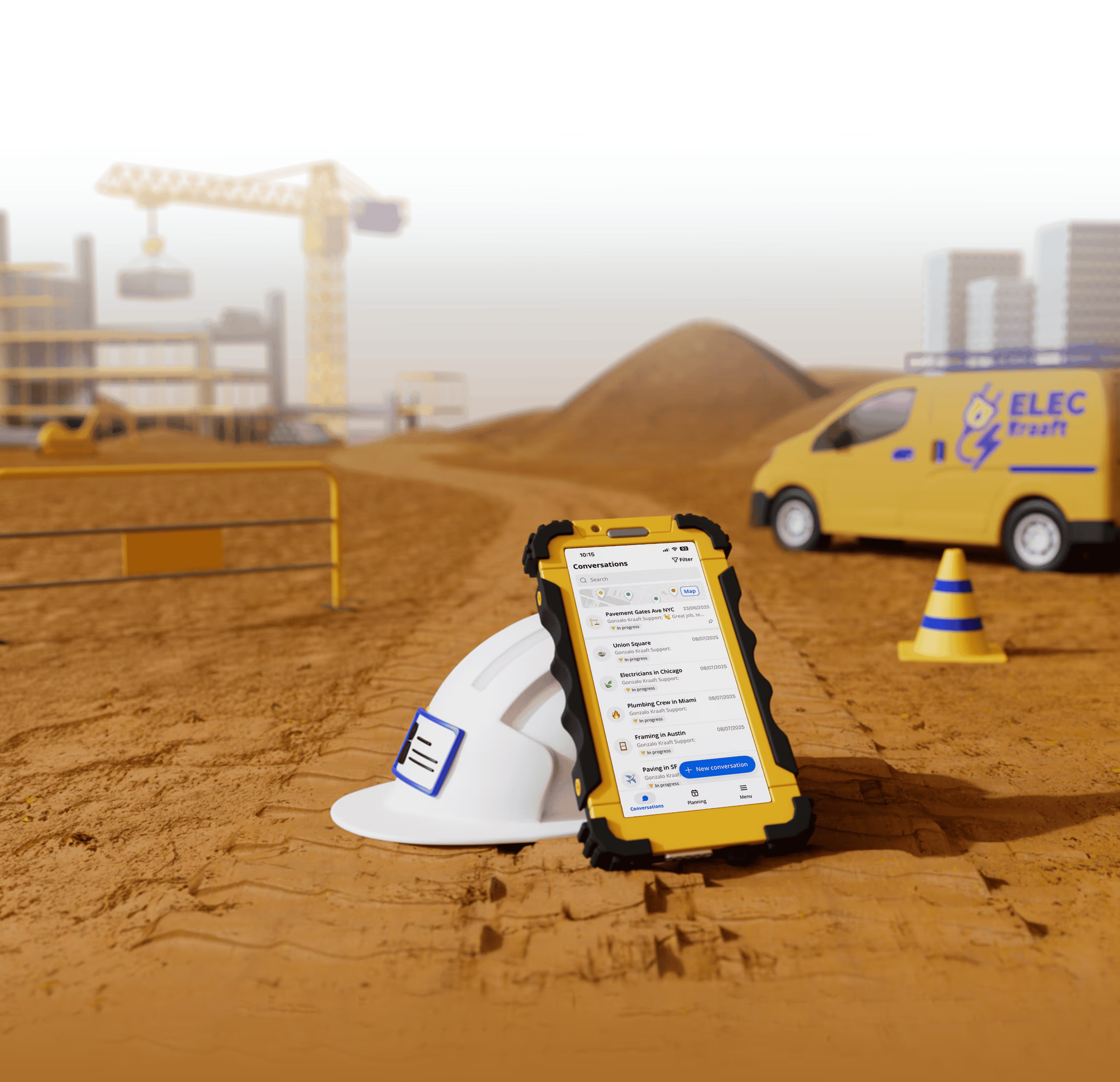
Kraaft looks and feels like WhatsApp. Teams use it to:
- Assign tasks in chat
- Send progress photos
- Mark work as complete
- Keep everyone in the loop
No training. No confusion. Just communication that works.
2. All-In-One Field Reporting
Kraaft handles:
- Daily reports
- Work orders
- Punch lists
- Safety logs
- Photo documentation
And it does it in one place—on your phone.
3. Designed for the Trades
Field-tested with real crews, Kraaft works:
- Offline
- With gloves
- With poor cell service
- Without IT setup
That’s why 1,000+ construction teams use it to stay on track, in touch, and on time.
For teams that work primarily in the field, we wrote about why Kraaft focuses specifically on subcontractors rather than trying to serve everyone at once
What to Look for in a Field-Ready Construction App
When choosing a construction management app, make sure it fits your team—especially your field crews.
1. Offline Support
Construction sites don’t always have great service. Your app should:
- Work offline
- Store photos, reports, and notes locally
- Sync automatically when back online
2. Easy to Use
Your app should:
- Feel like a messaging app, not a spreadsheet
- Be usable with gloves and dirty screens
- Require no onboarding
3. Role-Based Access & Collaboration
With Kraaft, you get:
- Role-based access control for your team
- Group chats or team dashboards for easy coordination
- Real-time updates for all stakeholders
4. Seamless Integration
Kraaft integrates with your existing tools:
- Accounting systems like QuickBooks or Sage
- Cloud storage like Google Drive or Dropbox
- Project management systems—without adding complexity
Conclusion: Kraaft is the Best Construction App for Roadwork Subcontractors
For roadwork subcontractors in 2025, Kraaft offers an affordable, easy-to-use construction management solution that solves the problems traditional workflows create. At $25/user/month, Kraaft replaces paper forms, spreadsheets, and phone calls with a mobile-first, field-ready tool that simplifies communication, task tracking, and project visibility.
Kraaft is designed specifically for subcontractors—providing the tools they need to work efficiently without the extra bloat.
Ready to try Kraaft? Start your free trial today and experience how it can help your team stay aligned and on schedule.

Reconnect the site
and the office